
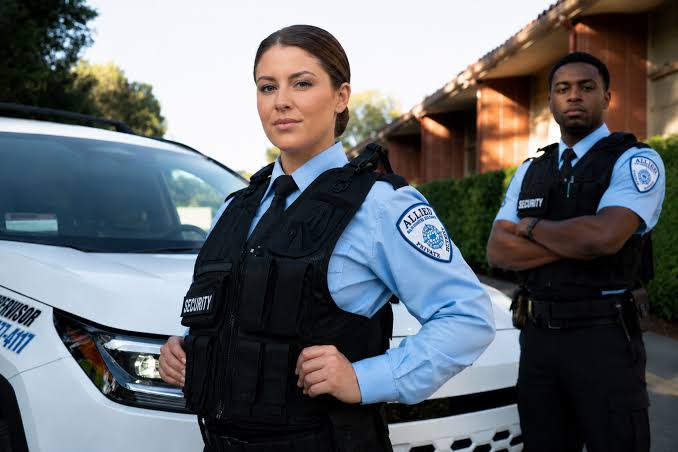
Security work is not only about reacting to danger. In many cases, the best result comes from stopping a problem before it gets out of hand. This is where armed guards in Van Nuys, CA can make a real difference. Their job involves much more than carrying a weapon. They must stay calm, read people, speak clearly, and make smart choices when stress runs high.
When Things Heat Up, Stay Cool
High-stress situations can happen without warning. A small argument can turn into a loud dispute. An upset visitor may refuse to leave. A simple complaint may quickly bring several people into the mix.
That is why guards must keep their cool. They cannot let anger or fear control their actions. Instead, they watch the situation, assess the risk, and look for the safest next step. A calm voice and steady behavior can often stop tension from rising.
Read the Room Before You Act
Good de-escalation starts with careful observation. A guard should notice body language, facial expressions, tone, movement, and personal space. These small details can reveal whether someone is upset, confused, or becoming a real threat.
For example, a person pacing may simply feel frustrated. However, someone who moves closer while shouting may need a different response. This is why armed guards in Van Nuys, CA need strong awareness. They must know the difference between a heated moment and an urgent danger.
Talk It Out When You Can
Clear communication is one of the best tools in a guard's kit. A guard can start with a calm voice, simple words, and a respectful tone. Asking questions and listening can help reveal what caused the problem in the first place.
The goal is not to win an argument. It is to lower the tension. Sometimes, people calm down when they feel heard. A guard who listens instead of arguing may open the door to a peaceful solution. Of course, talking has limits. If someone creates an immediate threat, the guard must adjust the response.
Give People Some Breathing Room
Personal space matters during tense encounters. Standing too close can make an angry person feel trapped. Giving them some room may lower pressure and make communication easier.
This does not mean ignoring the problem. A guard can stay alert while keeping a safe distance. Positioning also helps protect other people nearby. Moving bystanders away from a conflict can prevent confusion and keep the situation from spreading.
Know When to Take a Step Back
Sometimes, pushing harder is the wrong move. If a person is upset but does not pose an immediate danger, continuing an argument may only add fuel to the fire.
A trained guard should know when to pause, create distance, and ask for help. Stepping back does not mean giving up. It means choosing the safest option. If a short pause helps emotions settle, that can be a much better outcome than turning a small issue into a major incident.
A Weapon Comes With Big Responsibility
Carrying a firearm adds another level of responsibility. Armed security personnel must understand that a weapon is not a tool for winning arguments or frightening people. They must follow the law, their training, and established procedures.
This is why proper training matters. Armed guards in Van Nuys, CA may face moments when restraint is the best choice. They need to understand when to communicate, when to create distance, and when a serious threat requires a stronger response.
Practice Helps Guards Think Fast
De-escalation skills need practice. Training exercises can help guards prepare for common problems before they face them on the job. These exercises may involve angry visitors, workplace disputes, trespassing, or people who refuse to follow property rules.
Practice also builds confidence. When guards have worked through similar situations before, they may feel less pressure when a real event occurs. They can rely on trained habits instead of making a rushed choice. In high-stress work, that can make all the difference.
Work With Emergency Responders
Security guards often notice problems before anyone else does. Still, they are not a replacement for police officers, firefighters, or emergency medical teams. Some situations require outside help.
When that happens, clear communication becomes very important. Guards should explain what happened, where it happened, who was involved, and what steps they already took. Good information helps emergency responders understand the situation faster and choose the right response.
Spot Trouble Before It Grows
Serious incidents often have warning signs. Repeated arguments, threats, aggressive gestures, strange behavior, or repeated attempts to enter restricted areas may deserve attention.
Early action does not always mean confronting someone. A guard may increase patrols, alert management, watch a specific area, or adjust access procedures. In other words, prevention often starts with paying attention. A small step at the right time can stop a bigger problem later.
Professional Conduct Builds Trust
People respond better to guards who remain professional. Respectful communication can help even when someone is angry. A calm approach can show that the guard wants to solve the problem, not make it worse.
That does not mean guards should ignore rules. They still need to protect people and property. However, they can enforce those rules without needless hostility. When guards stay fair, calm, and consistent, people are more likely to cooperate.
Conclusion
High-stress security situations require more than strength or authority. They call for patience, awareness, communication, training, and good judgment. A calm response can often prevent a tense moment from becoming a serious incident.
For this reason, security guards in Los Angelescan play an important role in creating safer environments. Whether they monitor entrances, handle conflicts, or contact emergency responders, trained guards can use de-escalation as a first step. Knowing when to talk, listen, create space, or seek help can make security work safer and more effective.